
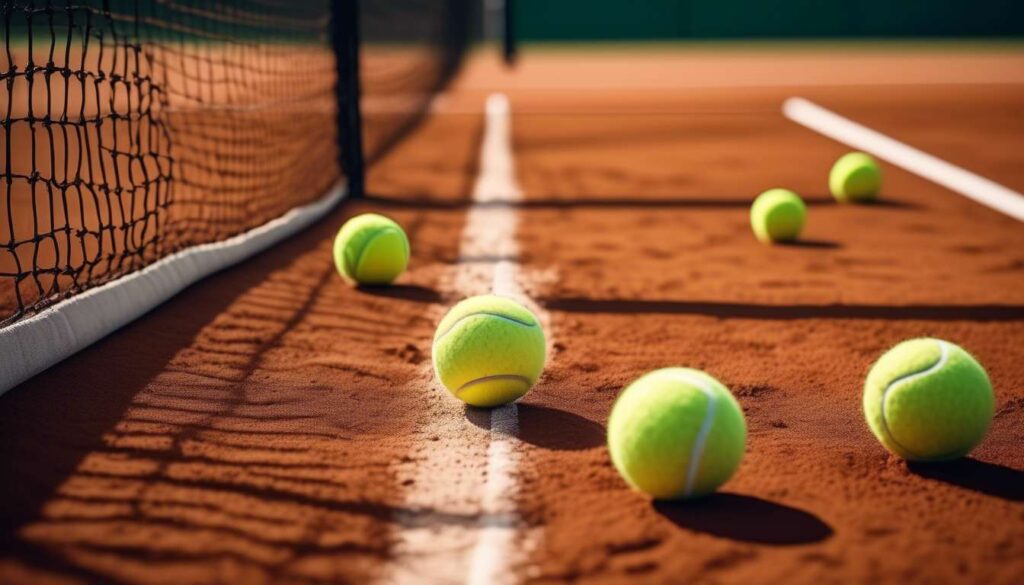
As tennis enthusiasts, we have always been fascinated by the nuanced interplay between players and the surfaces they compete on. The court surface, often an overlooked element by casual spectators, plays a crucial role in the dynamics of the game, influencing not just the pace and bounce of the ball, but also the strategies and outcomes of matches.
In this article, we delve into the world of tennis courts to understand how changes in surface type—from grass to clay to hard courts—impact player performance and match results. We will explore the unique characteristics of each surface, discuss how players adapt their techniques, and examine historical data to uncover patterns and trends.
Unique Characteristics of Each Surface:
-
Grass Courts:
- Fastest surface with low bounce.
- Favors serve-and-volley players.
- Matches are often quicker, with shorter rallies.
-
Clay Courts:
- Slower surface with high bounce.
- Favors baseline players with endurance.
- Matches tend to have longer rallies and are more strategic.
-
Hard Courts:
- Medium speed and bounce.
- Offers a balanced playing field favoring no specific style.
- Most common surface with a mix of play styles.
Adaptation Techniques Used by Players:
- Adjusting footwork and movement to suit the surface.
- Modifying serve and shot selection based on bounce and speed.
- Developing endurance and stamina for longer rallies on slower surfaces.
By understanding these elements, we aim to foster a deeper appreciation for the sport and enhance our collective insight into the ever-evolving nature of tennis competitions. Join us as we unravel the intricate relationship between court surfaces and game results.
Grass Courts Overview
Grass courts, known for their fast-paced and unpredictable bounces, require players to adapt their strategies and footwork more than any other surface. We find ourselves drawn to the unique challenges grass presents, where tradition meets the thrill of the unknown.
Unlike the slower, steadier play on clay, grass courts demand:
- Quick reflexes
- Sharp instincts
Our footsteps need to be light and agile, ready to chase down a bouncing ball that seems to have a mind of its own.
As a community of tennis enthusiasts, we share a love for the traditions of Wimbledon and the history embedded in the grass. The adaptation required on grass courts brings us together, fostering a sense of camaraderie.
We learn to embrace the unpredictability, honing our skills to thrive on this lush, green surface. It’s this shared experience of overcoming grass’s unique challenges that binds us, creating a sense of belonging and mutual respect among all who play.
Clay Courts Characteristics
On clay courts, we face a slower game that demands patience and strategic play, challenging us to perfect our endurance and shot placement. Unlike the swift bounce of grass courts, clay surfaces absorb more energy, causing the ball to rebound higher and slower. This requires us to adapt our tactics, embracing longer rallies and refining our baseline play. We find ourselves in a community of players who value perseverance and cleverness over sheer power.
Playing on clay teaches us to build points thoughtfully, using spins and angles to outmaneuver opponents. Our footwork must be nimble, as the loose surface demands quick adjustments and effective sliding techniques.
- Spins
- Angles
- Nimble footwork
- Effective sliding techniques
This surface nurtures a different kind of camaraderie, where we collectively appreciate the skill and patience it takes to excel.
Clay courts remind us that adaptation is key, not only in transitioning from the fast-paced grass but also in finding harmony with the unique rhythm of the clay. Together, we thrive in these challenges, growing both individually and as a community.
Hard Courts Dynamics
Hard courts offer a balanced playing field that combines speed and predictability, allowing for a versatile style of play. Unlike the unpredictable bounce of grass or the slower pace of clay, hard courts provide consistency and a fair chance for all playing styles. This surface encourages a blend of aggressive and defensive techniques, making it an exciting and inclusive environment for players and fans alike.
Adaptation is key in our game. Different surfaces favor different tactics:
- Grass courts favor serve-and-volley tactics.
- Clay demands endurance and topspin.
Hard courts require a strategic blend of the two. Players who excel on hard courts often possess the ability to switch gears seamlessly, adapting their strategies as needed.
This dynamic fosters a sense of community among us, as we celebrate those who master the art of adaptation on this versatile surface. Together, we appreciate the challenges and opportunities hard courts bring, fostering a shared love for the sport.
Player Adaptation Strategies
Successfully navigating the diverse challenges of court surfaces requires us to develop flexible strategies and hone our adaptability. Each surface—be it grass or clay—demands a unique approach.
-
Grass Courts: Embrace swift footwork and low bounces, which encourage quick reactions and precise timing.
-
Clay Courts: Test our patience and endurance, demanding longer rallies and strategic point construction.
The key to adaptation lies in understanding each surface’s nuances and adjusting our play style accordingly.
We’re not alone in this journey; our shared experiences foster a sense of community and mutual growth. Together, we exchange tips, such as:
- Adjusting our grip
- Tweaking our stance to better handle unexpected bounces
We practice on different surfaces, building versatility in our game. By supporting each other, we cultivate a sense of belonging, knowing we’re part of a group striving to master these challenges.
Our collective adaptation strategies empower us to thrive, regardless of the surface beneath our feet.
Performance Impact Analysis
Analyzing performance across different court surfaces reveals distinct patterns in our play and highlights areas for improvement. As we navigate the nuances of grass and clay courts, we notice how each surface demands unique skills.
Grass Courts:
- Grass courts, with their fast-paced nature, reward quick reflexes and a strong serve.
- Our adaptation involves:
- Honing our agility.
- Perfecting our serve-and-volley tactics.
Clay Courts:
- Clay courts slow the game down, allowing us to rally longer and depend more on endurance and strategic placement.
- We adapt by:
- Improving our baseline play.
- Enhancing our footwork to maintain footing on the slippery surface.
By examining these patterns, we become more aware of the specific adaptations necessary to excel across surfaces.
Community and Learning:
- Our community of players thrives on learning from one another.
- We share insights and strategies to improve collectively.
Through understanding these performance impacts, we strengthen our bonds and enhance our skills, making us more versatile and resilient players.
Historical Match Data Examination
To gain deeper insights into our playing patterns, we delve into historical match data to identify trends and strategies that have been successful across various court surfaces.
By examining past performances, we can understand how players have adapted to different challenges posed by grass and clay courts, which demand distinct skills and strategies.
Grass courts, with their fast pace and low bounce, have historically favored players with strong serve-and-volley tactics.
In contrast, clay courts require:
- Exceptional endurance
- Baseline play
These courts test our ability to adapt and excel in longer rallies.
This data-driven exploration helps us bond over shared experiences and develop a sense of belonging as we learn from the triumphs and setbacks of past matches.
By analyzing how players have adjusted their game plans, we can:
- Refine our approach
- Embrace the necessary adaptations to succeed
Together, we honor our history and strive to enhance our performance, fostering a community that celebrates growth and resilience.
Surface Influence on Strategies
Our strategy shifts significantly based on the court surface, as each type demands specific techniques and adjustments for optimal performance.
Grass Court Strategy:
- On grass, we rely on quick reflexes and a strong serve-and-volley game.
- The fast pace requires us to adapt by focusing on speed and precision, making every point count.
- Grass courts reward:
- Low bounces
- Swift movements
This creates an exhilarating challenge for us as a team.
Clay Court Strategy:
- In contrast, clay courts slow down the game, demanding a different adaptation.
- Endurance and patience become our allies.
- We emphasize:
- Long rallies
- Topspin-heavy shots
Knowing that clay surfaces allow for more time to react and strategize, sliding into positions and maintaining stamina are key to sustaining our performance over extended matches.
Team Dynamics:
By understanding and adapting to these surfaces, we strengthen our bond as a team. Each surface tests our unity and resilience, reinforcing our shared commitment to improving and evolving together, no matter the challenge.
Trends in Match Outcomes
Recent trends in match outcomes reveal how court surfaces significantly influence our performance and results.
We’ve noticed a distinct pattern when transitioning between grass and clay courts:
- Grass courts reward players with fast-paced games, favoring those who thrive on quick serves and volleys.
- In contrast, clay courts demand patience and endurance, challenging us to adapt our strategies and footwork to slow rallies and high bounces.
It’s fascinating how our community embraces these surface changes, fostering a sense of unity and shared learning.
We develop our skills collectively, understanding that mastery over grass or clay isn’t just about technique—it’s about adaptation. By exchanging insights and experiences, we help each other grow, creating a bond that transcends individual victories.
As we continue to compete across various surfaces, our adaptability becomes our strength.
Together, we celebrate not just wins, but the journey of learning and evolving. This shared experience enriches our connection, reinforcing our place in the vibrant tennis community.
How do weather conditions interact with different court surfaces to affect match outcomes?
Weather conditions play a crucial role in tennis matches as they can significantly impact the bounce and speed of the ball, affecting players’ strategies and performances.
Different court surfaces react uniquely to weather changes:
- Grass Courts: Tend to become slippery and unpredictable with rain, affecting players’ footing and the ball’s bounce.
- Clay Courts: Absorb water and can slow down the game when wet, but they also allow for more controlled sliding under dry conditions.
- Hard Courts: Are generally consistent in all weather, though extreme heat can make the surface faster and harder on players’ bodies.
Key weather influences include:
- Wind: Can alter the ball’s trajectory, requiring players to adjust their shots and positioning.
- Rain: May delay matches and change surface conditions, especially on grass and clay.
- Extreme Heat: Can lead to faster game play on hard courts and present physical challenges for players, necessitating strategic hydration and energy management.
Understanding these interactions is essential for players and coaches to adapt their game plans and leverage weather conditions to their advantage.
What are some common injuries associated with playing on various court surfaces?
Different Court Surfaces and Common Injuries
Playing on various court surfaces can lead to specific injuries for athletes. Understanding these risks is crucial for taking necessary precautions and ensuring optimal performance.
Hard Courts
- Hard courts may cause more stress on joints.
- This can potentially result in knee or ankle injuries.
Clay Surfaces
- The nature of clay surfaces, which involves sudden stops and slides, can lead to:
- Muscle strains
- Twists
Grass Courts
- Grass courts have a slippery nature.
- This increases the risk of:
- Slipping
- Falling
By recognizing these risks associated with each surface, players can better prepare and protect themselves during play.
How do court surface preferences vary among different generations of players?
Generational Differences in Court Surface Preferences
As players from different generations, our court surface preferences vary based on our playing styles and experiences.
Faster Surfaces vs. Slower Courts
- Some players may prefer faster surfaces for aggressive play, allowing for quick points and powerful shots.
- Others enjoy slower courts for strategic rallies, providing more time to construct points and engage in longer exchanges.
Evolution of the Game
These generational differences reflect the evolution of the game and how it has adapted to different surfaces over time.
It’s fascinating to see how our preferences align with the eras in which we developed our skills, illustrating the dynamic nature of tennis and its continuous adaptation to players’ styles and technological advancements.
Conclusion
In conclusion, understanding how court surface changes impact results is crucial for players and coaches.
Different Court Surfaces:
- Grass Courts: Offer speed and low bounce.
- Clay Courts: Favor defense and longer rallies.
- Hard Courts: Provide a balanced playing field.
Key Factors:
- Player adaptation and strategic adjustments play key roles in performance outcomes.
- Analyzing historical match data reveals trends in match outcomes influenced by surface characteristics.
Importance of Strategy:
Adapting strategies to different court surfaces is imperative for success in the ever-evolving world of tennis.